

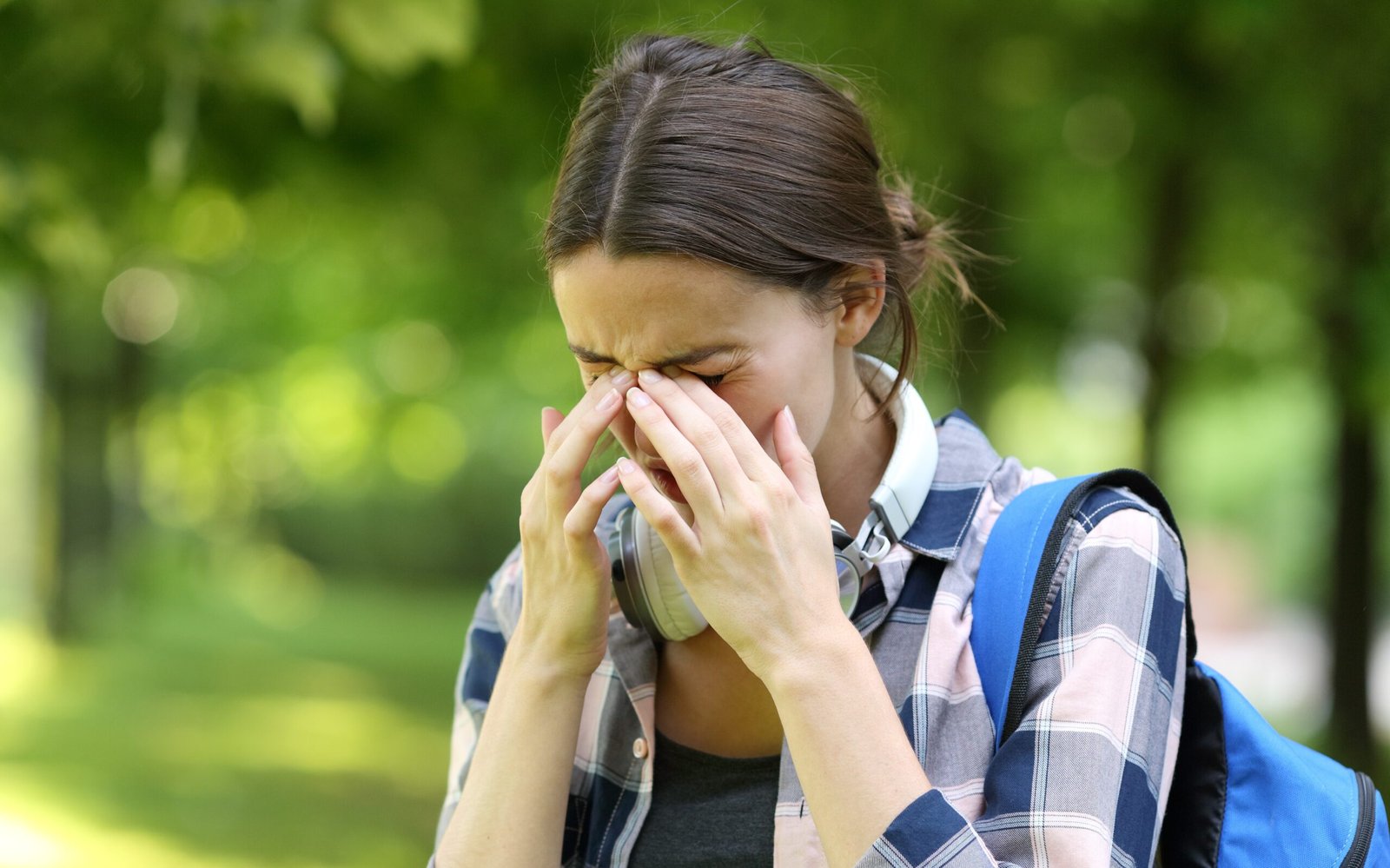
Climate change intensifies allergy seasons for millions in the U.S. The top five challenging cities include Wichita and New Orleans.
When trees, grass, and other pollens produce runny noses, itchy eyes, coughing, and sneezing, tens of millions of Americans may have a dreadful allergy season.
Your lifestyle, what you are allergic to, and where you live can all have a significant impact on how severe your allergies are. While experts acknowledge that longer and more severe allergy seasons are a result of climate change, they also note that over the past 10 years, therapies for seasonal allergies have improved.
These professional suggestions may help you manage your allergy symptoms long enough to enjoy the great outdoors.
Where are pollen levels the worst this year?
The Asthma and Allergy Foundation of America issues an annual ranking of the most challenging cities to live in if you have allergies, based on over-the-counter medicine use, pollen counts and the number of available allergy specialists.
This year, the top five cities are: Wichita, Kansas; New Orleans; Oklahoma City; Tulsa, Oklahoma; and Memphis.
There are three main types of pollen. Earlier in the spring, tree pollen is the main culprit. After that grasses pollinate, followed by weeds in the late summer and early fall.
Some of the most common tree pollens that cause allergies include birch, cedar, cottonwood, maple, elm, oak and walnut, according to the Asthma and Allergy Foundation of America. Grasses that cause symptoms include Bermuda, Johnson, rye and Kentucky bluegrass.
Pollen trackers can help you decide when to go outside. The American Academy of Allergy Asthma and Immunology tracks levels through a network of counting stations across the U.S. Counts are available at its website and via email.
Limit your exposure to pollens
The best and first step to controlling allergies is avoiding exposure. Keep the windows in your car and your home closed, even when it’s nice outside. If you go outside, wearing long sleeves can keep pollen off your skin to help ward off allergic reactions, said Dr. James Baker, an allergist at the University of Michigan. It also provides some sun protection, he added.
To make sure all the pollen is off of you, including your hair, change your clothes as soon as you come home and take a shower every day. Try using a scarf or cap to cover your hair when you walk outside if you are unable to wash it every day. Keep your outside clothing off when you get into bed because pollen will follow.
According to experts, it is also beneficial to rinse your eyes and nose with saline to get rid of any pollen. Additionally, while they will not alleviate eye issues, the same masks that helped us survive the epidemic will shield you from allergens.
How to relieve allergy symptoms
According to doctors, one of the best ways to treat seasonal allergies is using over-the-counter nasal sprays. According to Dr. Kathleen Mays, an allergist at Augusta University in Georgia, the great majority of individuals utilize them improperly, aggravating certain areas of the nose. Instead of pointing the nozzle directly up your nose, she advised angled it outward toward your ear.
