

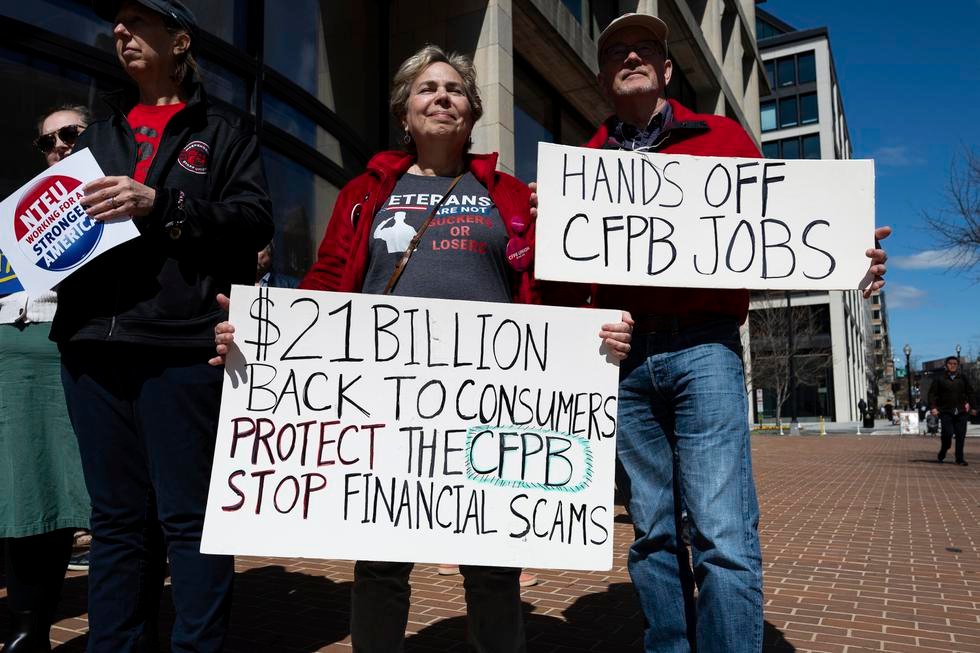
In a document released Wednesday evening, the head of the Consumer Financial Protection Bureau declared that it will “deprioritize” efforts to safeguard medical debt, student loan debtors, and popular digital payment platforms like Venmo and Zelle.
The Wall Street Journal was the first to publish on Chief Legal Officer Mark Paoletta’s memo detailing the agency’s new enforcement and oversight goals under the Trump administration. It outlines intentions to largely scale back regulatory activities and concentrate the majority of its remaining resources on big banks rather than software businesses, student loan servicers, and other financial enterprises that had taken up a lot of its time under Joe Biden.
The plan would mark a major change in direction for the CFPB, which was created in 2010 in the wake of the housing crisis and Wall Street meltdown that had paralyzed the nation’s economy. The new agency was given the job of enforcing consumer protection laws against the country’s large banks, as well as non-bank financial institutions that previously fell into a regulatory blind spot but were responsible for some of the riskiest lending and most predatory practices heading into the crisis.
Policing those non-banks has been one of the bureau’s most well-known initiatives in recent years. It has been especially crucial in monitoring student loan servicers, the large government contractors in charge of collecting borrowers’ monthly payments, who have long been the target of consumer complaints.
For example, the CFPB reached a settlement in 2024 that barred Navient, the largest servicer in the nation at the time, from the industry and fined it $120 million for what it called years of abuses, including routinely overcharging customers and neglecting to advise them of their legal rights regarding repayment. In an effort to collect student loans that had been discharged in bankruptcy, it filed a lawsuit against the Pennsylvania Higher Education Assistance Agency in May.
Late in the Biden administration, the agency also made headlines by attacking online payment platforms, suing market leader Zelle for not preventing fraud on its network, and completing a rule that would have given it the authority to oversee the biggest companies in the field.
A top aim had also been to lessen the burden of medical debts: in January, the CFPB finished a regulation that would have excluded unpaid medical bills from credit records, a project it collaborated on with former Vice President Kamala Harris.
